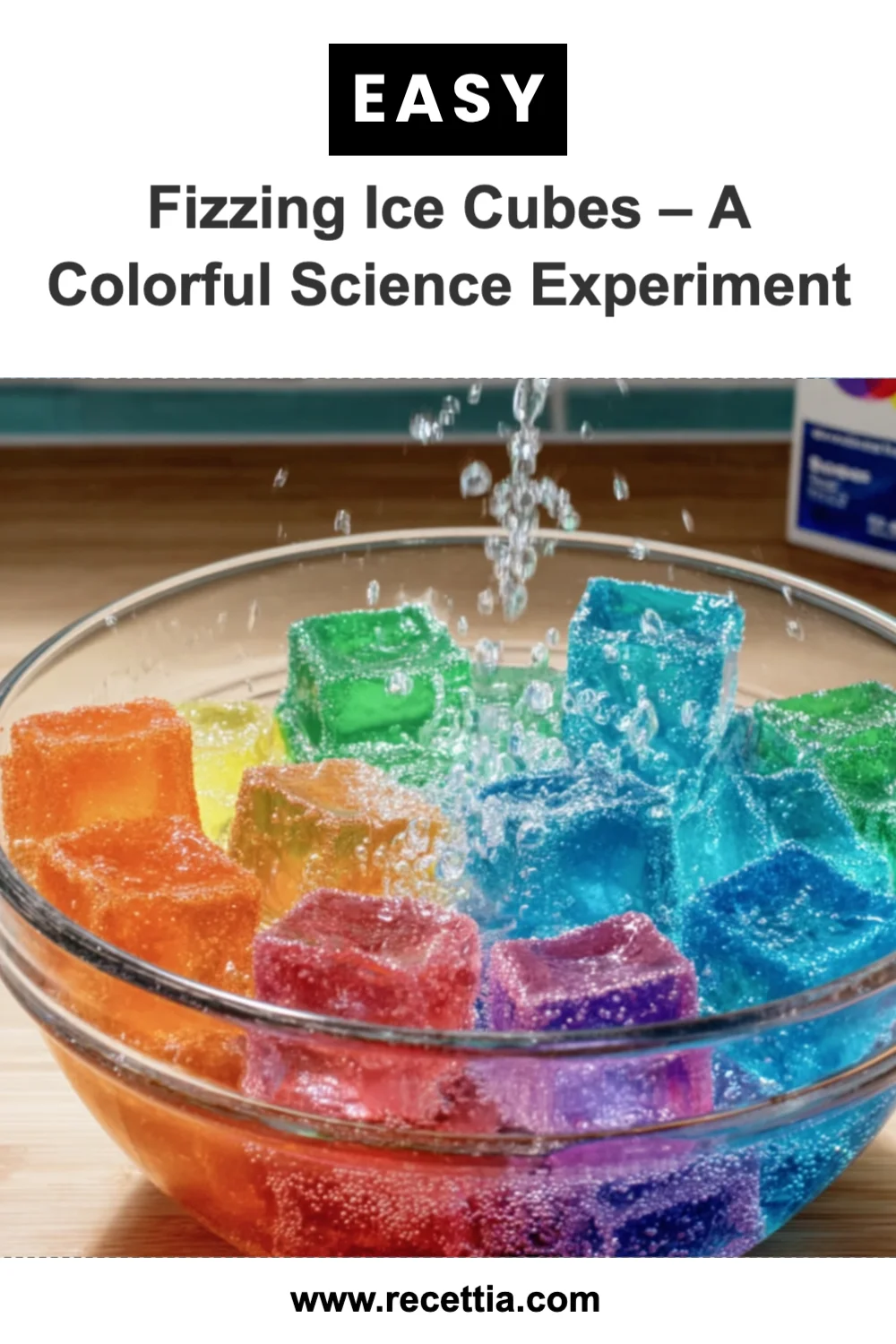
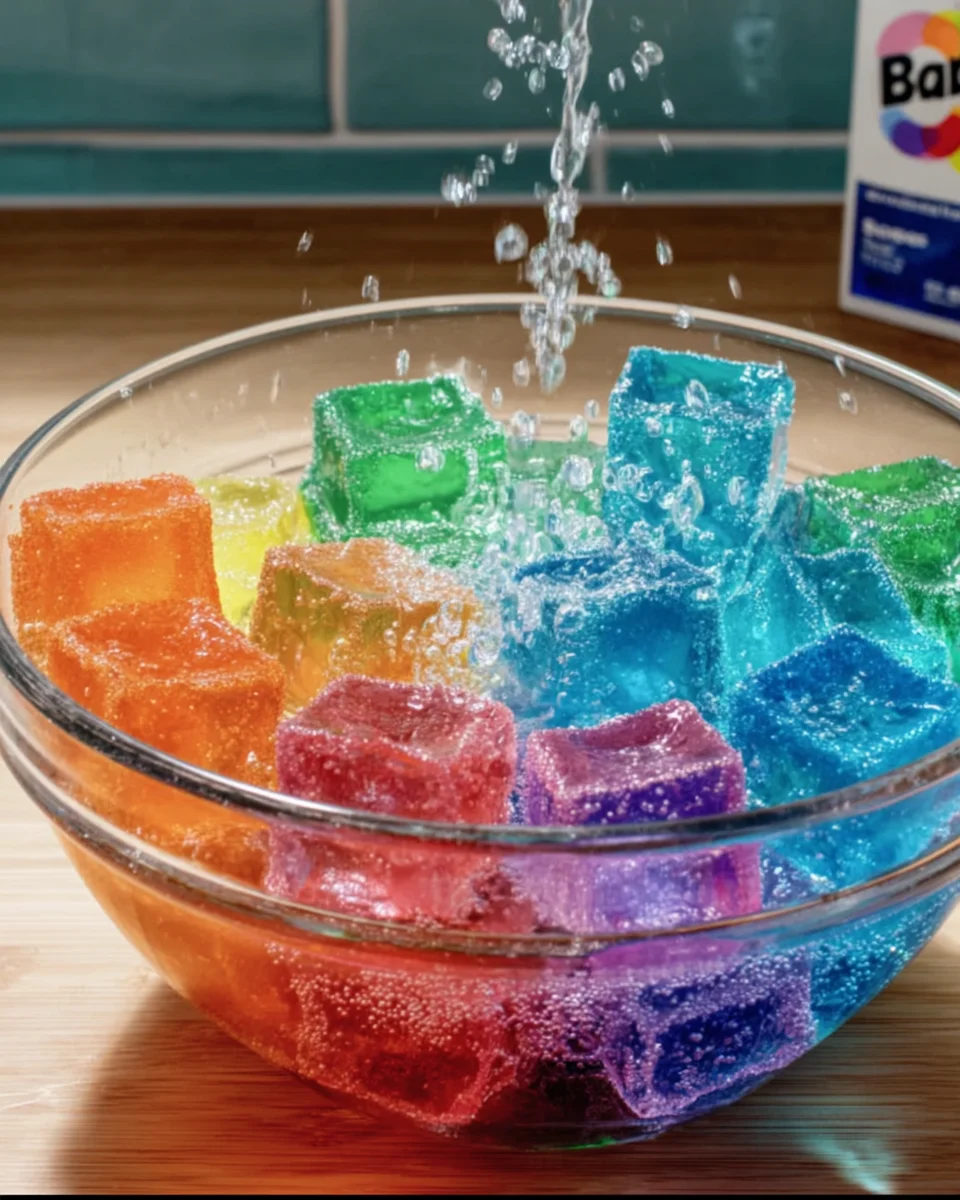
Fizzing ice cubes are an exciting and vibrant science experiment that combines creativity and learning. This hands-on activity uses simple ingredients to create a colorful eruption, providing a fun way for kids to explore the wonders of chemistry.
| Prep Time | Cook Time | Total Time | Servings | Difficulty | Cuisine |
|---|---|---|---|---|---|
| 10 minutes | 0 minutes | Several hours (freezing time) | Variable | Easy | Science Experiment |
Why This Recipe Works
Creating fizzing ice cubes is not just about watching colorful bubbles; it’s an opportunity to witness a fascinating chemical reaction in action. The combination of baking soda and vinegar produces carbon dioxide gas, resulting in the delightful fizz. From my experience, kids are mesmerized by the vivid colors and the fizzy reaction, making it an engaging learning activity.
In addition to being visually stimulating, this experiment encourages curiosity and exploration. Children can experiment with different colors, amounts of vinegar, and even the size of the ice cubes, fostering a sense of scientific inquiry. This interactive experience makes learning about chemical reactions both fun and memorable.
Ingredients
| Ingredient | Quantity | Notes |
|---|---|---|
| Baking soda | 1 cup | Essential for the fizzing reaction. |
| Vinegar | 1 cup | White vinegar works best, but any vinegar can be used. |
| Food coloring | Various colors | Choose your favorites for vibrant results. |
| Ice cube tray | 1 | Standard size works well. |
| Water | As needed | To mix with baking soda. |
| Small bowls or cups | Several | For mixing colors. |
| Optional | Glitter or small edible items | Enhance the visual appeal. |
Step-by-Step Instructions
-
Prepare the Baking Soda Mixture
Mix 1 cup of baking soda with a little water in a large bowl until you achieve a thick paste. This mixture will serve as the base for your fizzing ice cubes.
-
Add Color
Divide the mixture into small bowls or cups. Add a few drops of different food coloring to each bowl and mix well to create vibrant colors.
-
Fill the Ice Cube Tray
Spoon the colored baking soda mixture into the ice cube tray, filling each compartment about halfway.
-
Freeze
Place the ice cube tray in the freezer for several hours or until the cubes are completely frozen.
-
Prepare the Vinegar
While waiting for the ice cubes to freeze, pour 1 cup of vinegar into a bowl or shallow dish. You may divide the vinegar into small cups if you want to conduct multiple experiments at once.
-
Release the Ice Cubes
Once the ice cubes are frozen, remove them from the tray. You can run warm water over the bottom of the tray to help release the cubes.
-
Fizzing Fun
Place the ice cubes in the vinegar and watch as the baking soda reacts with the vinegar, causing a fizzy eruption of colorful bubbles!
-
Decorate (Optional)
For an extra touch, sprinkle some glitter or add small edible items to the vinegar to enhance the visual appeal of your experiment.
Chef Tips for Perfect Results
- Ensure the baking soda mixture is thick enough to hold its shape when frozen.
- Experiment with different color combinations to create unique visual effects.
- Use distilled vinegar for a cleaner reaction and better results.
- Consider using larger ice cube trays for bigger fizzing eruptions.
- Encourage kids to observe and discuss what they see during the reaction.
Common Mistakes to Avoid
- Using too much water in the baking soda mixture can prevent the cubes from freezing properly. Aim for a thick paste consistency.
- Not freezing the cubes long enough can lead to incomplete reactions. Ensure they are fully frozen before proceeding.
- Using low-quality food coloring may result in dull colors. Opt for vibrant, high-quality coloring for better results.
- Forgetting to prepare enough vinegar can limit the fizzing experience. Always have extra vinegar on hand.
Variations and Substitutions
| Ingredient | Substitution | Impact on Flavor |
|---|---|---|
| Baking soda | None | Essential for the reaction; no substitutes. |
| Vinegar | Citrus juice (like lemon or lime) | Will alter the scent and potentially the fizzing action. |
| Food coloring | Natural dyes (like beet juice or turmeric) | May result in different colors and less vibrancy. |
Serving Suggestions and Pairings
Fizzing ice cubes are perfect for science-themed parties, educational activities in classrooms, or even as a fun family project at home. Pair this experiment with a discussion on chemical reactions in everyday life, or follow it up with a tasty treat like pineapple cream cheese pound cake for a delightful combination of learning and enjoyment.
Storage and Reheating
| Method | Duration | Instructions |
|---|---|---|
| Freezing | Indefinitely | Store ice cubes in the freezer until ready to use. |
Nutritional Information
| Nutrient | Amount per Serving |
|---|---|
| Calories | 0 |
| Sodium | 1,200 mg |
| Carbohydrates | 0 g |
| Sugars | 0 g |
| Protein | 0 g |
Frequently Asked Questions
Can I substitute baking soda with something else?
No, baking soda is essential for the fizzing reaction. It cannot be substituted without losing the desired effect.
How long can I keep the fizzing ice cubes?
You can keep the fizzing ice cubes in the freezer indefinitely. Just ensure they are stored in a container to avoid absorbing other odors.
What can I do if the ice cubes don’t freeze properly?
Ensure that the baking soda mixture is not too watery. If the mixture is too thin, the cubes may not freeze. Aim for a thick paste consistency.
Can I make this ahead of time?
Yes, you can prepare the baking soda mixture and freeze it a day in advance. Just remember to prepare the vinegar just before the experiment.
What other experiments can I do with baking soda and vinegar?
You can explore other fun activities like creating volcanoes or homemade rocket experiments. Each showcases the exciting reactions between these two ingredients.
Fizzing ice cubes provide a colorful and interactive way to explore science at home or in the classroom. For more delicious recipes, check out berry crumble or no-bake brownie batter dip for treats you will love!
Fizzing Ice Cubes
Ingredients
Equipment
Method
- Step 1: Mix 1 cup of baking soda with a little water in a large bowl until you achieve a thick paste. This mixture will serve as the base for your fizzing ice cubes.
- Step 2: Divide the mixture into small bowls or cups. Add a few drops of different food coloring to each bowl and mix well to create vibrant colors.
- Step 3: Spoon the colored baking soda mixture into the ice cube tray, filling each compartment about halfway.
- Step 4: Place the ice cube tray in the freezer for several hours or until the cubes are completely frozen.
- Step 5: While waiting for the ice cubes to freeze, pour 1 cup of vinegar into a bowl or shallow dish.
- Step 6: Once the ice cubes are frozen, remove them from the tray. You can run warm water over the bottom of the tray to help release the cubes.
- Step 7: Place the ice cubes in the vinegar and watch as the baking soda reacts with the vinegar, causing a fizzy eruption of colorful bubbles!
- Step 8: For an extra touch, sprinkle some glitter or add small edible items to the vinegar to enhance the visual appeal of your experiment.
Notes