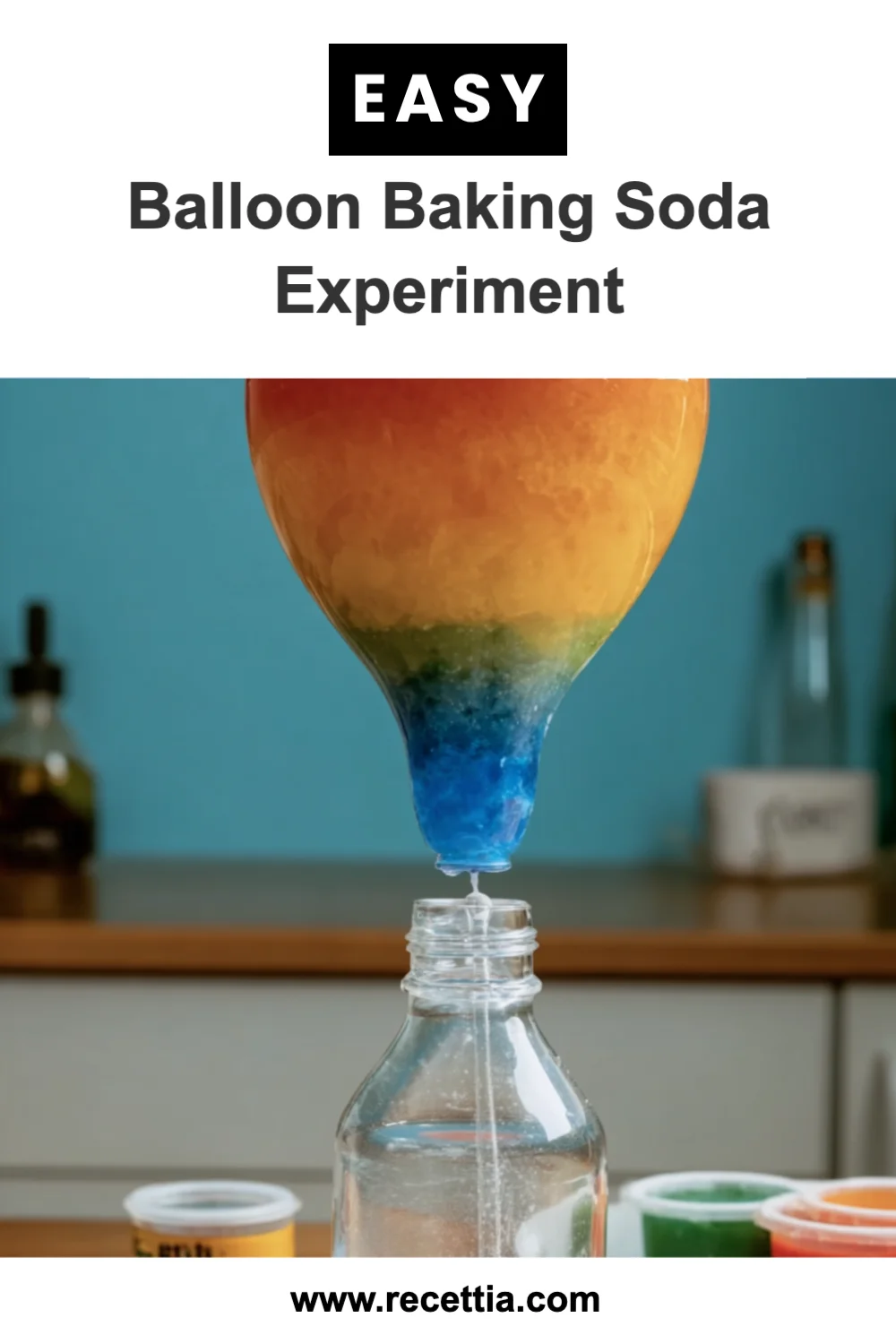
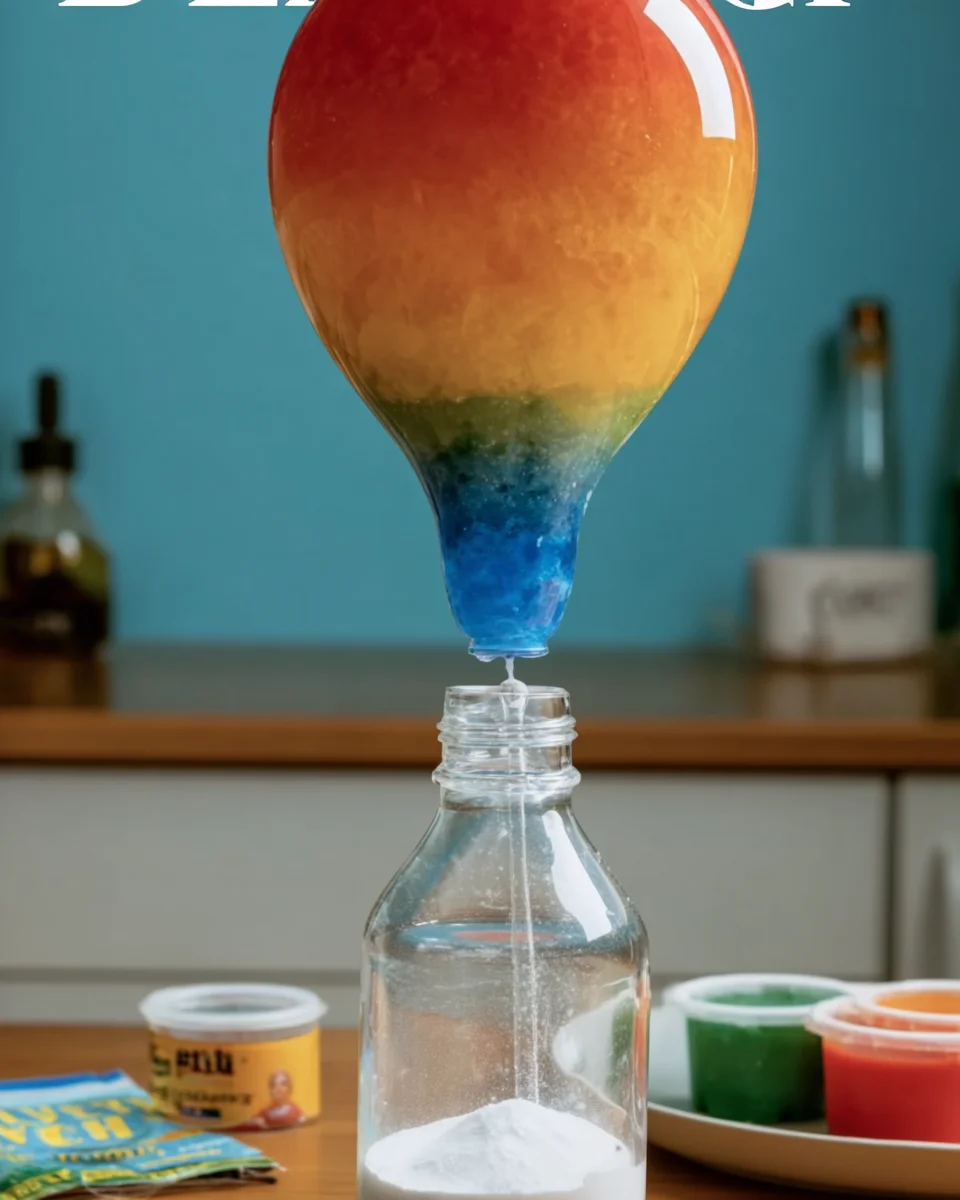
The Balloon Baking Soda Experiment is an exciting hands-on activity that demonstrates a simple chemical reaction. This experiment uses everyday ingredients like baking soda and vinegar to inflate a balloon and create an engaging learning experience.
| Prep Time | Cook Time | Total Time | Servings | Difficulty | Cuisine |
|---|---|---|---|---|---|
| 5 minutes | 0 minutes | 5 minutes | 1 experiment | Easy | Science |
Why This Recipe Works
The Balloon Baking Soda Experiment illustrates the principles of chemical reactions, specifically an acid-base reaction. When baking soda (a base) combines with vinegar (an acid), they produce carbon dioxide gas. This gas is what inflates the balloon, providing a visual representation of the reaction that takes place. From my experience, children are always fascinated by the immediate results, making this a fun and educational activity.
During the experiment, kids learn about chemical reactions in a safe and enjoyable environment. Watching the balloon inflate captures their attention and helps them understand the science behind the reaction. Additionally, you can encourage them to tweak the amounts of baking soda and vinegar to see how it affects the outcome, fostering curiosity and experimentation.
Ingredients
| Ingredient | Quantity | Notes |
|---|---|---|
| Balloon | 1 | Any standard balloon will work. |
| Baking Soda | 2 tablespoons | Can be adjusted for different reactions. |
| Vinegar | 1 cup | White vinegar is preferred for its clear reaction. |
| Small Funnel | Optional | Helps to pour baking soda into the balloon easily. |
| Plastic Bottle or Container | 1 | Ensure it has a narrow neck to fit the balloon. |
Step-by-Step Instructions
-
Prepare the Balloon
Using the funnel (if available), carefully pour the baking soda into the balloon. If you don’t have a funnel, stretch the balloon’s opening and use a spoon to add the baking soda.
-
Fill the Bottle
Pour the vinegar into the plastic bottle or container. You can use approximately 1 cup, but adjust based on the size of your bottle.
-
Attach the Balloon
Without letting the baking soda fall into the vinegar yet, carefully stretch the opening of the balloon over the neck of the bottle or container.
-
Release the Baking Soda
Once the balloon is securely attached, lift the balloon upright so that the baking soda falls into the vinegar.
-
Watch the Reaction
Observe the reaction between the baking soda and vinegar. The mixture will fizz, and the balloon will start to inflate due to the carbon dioxide gas produced.
-
Experiment Further
You can try different amounts of vinegar and baking soda to see how it affects the size of the balloon and the intensity of the reaction.
Chef Tips for Perfect Results
- Use a larger balloon for more dramatic results.
- Try different types of vinegar (like apple cider) for varying reactions.
- Ensure the bottle is dry before adding vinegar for best results.
- Conduct the experiment outdoors to avoid mess.
- Have paper towels on hand for quick clean-up.
Common Mistakes to Avoid
- Forgetting to secure the balloon tightly: This prevents the gas from inflating the balloon properly.
- Using too little vinegar: Not enough vinegar can lead to a weak reaction and minimal inflation.
- Not allowing the baking soda to fall into the vinegar: This is essential for the reaction to occur.
- Choosing a balloon that’s too small: A smaller balloon may burst under pressure.
- Conducting the experiment without supervision: Always supervise children during science experiments for safety.
Variations and Substitutions
| Ingredient | Substitution | Impact on Flavor |
|---|---|---|
| Baking Soda | Alka-Seltzer | Creates a faster reaction. |
| Vinegar | Lemon Juice | Provides a different scent but similar reaction. |
Serving Suggestions and Pairings
This experiment is perfect for birthday parties, science fairs, or classroom activities. Pair it with other fun experiments, such as the easy homemade hush puppies to create an engaging science-themed event.
Storage and Reheating
| Method | Duration | Instructions |
|---|---|---|
| Not applicable | N/A | This experiment is meant to be conducted immediately and is not for storage. |
Nutritional Information
| Nutrient | Amount per Serving |
|---|---|
| Baking Soda (2 tablespoons) | Calories: 0, Sodium: 1,150 mg, Carbohydrates: 0 g |
| Vinegar (1 cup) | Calories: 3, Sodium: 0 mg, Carbohydrates: 0 g |
Approximate values.
Frequently Asked Questions
Can I substitute baking soda with another ingredient?
Yes, you can use Alka-Seltzer for a more rapid reaction, which may yield a more exciting visual effect.
How do I know when the experiment is done?
The experiment concludes once the fizzing stops and the balloon has reached its maximum size, indicating the reaction has completed.
Can I prepare this experiment ahead of time?
This experiment is best conducted immediately for optimal results since the reaction occurs quickly after mixing the ingredients.
What should I do if the balloon doesn’t inflate?
If the balloon doesn’t inflate, check if the balloon is properly secured to the bottle and ensure enough vinegar is used for a robust reaction.
Can I do this experiment indoors?
While it can be done indoors, it’s advisable to conduct it outdoors or in a controlled environment to manage any spills or mess.
Conclusion
The Balloon Baking Soda Experiment is an engaging way to explore science through hands-on learning. This simple yet effective demonstration not only captivates attention but also inspires curiosity about chemical reactions. For more delicious recipes, check out the no-bake peanut butter pie or pineapple cream cheese pound cake for treats you will love!
Balloon Baking Soda Experiment
Ingredients
Equipment
Method
- Step 1: Using the funnel (if available), carefully pour the baking soda into the balloon. If you don’t have a funnel, stretch the balloon’s opening and use a spoon to add the baking soda.
- Step 2: Pour the vinegar into the plastic bottle or container. You can use approximately 1 cup, but adjust based on the size of your bottle.
- Step 3: Without letting the baking soda fall into the vinegar yet, carefully stretch the opening of the balloon over the neck of the bottle or container.
- Step 4: Once the balloon is securely attached, lift the balloon upright so that the baking soda falls into the vinegar.
- Step 5: Observe the reaction between the baking soda and vinegar. The mixture will fizz, and the balloon will start to inflate due to the carbon dioxide gas produced.
- Step 6: You can try different amounts of vinegar and baking soda to see how it affects the size of the balloon and the intensity of the reaction.
Notes